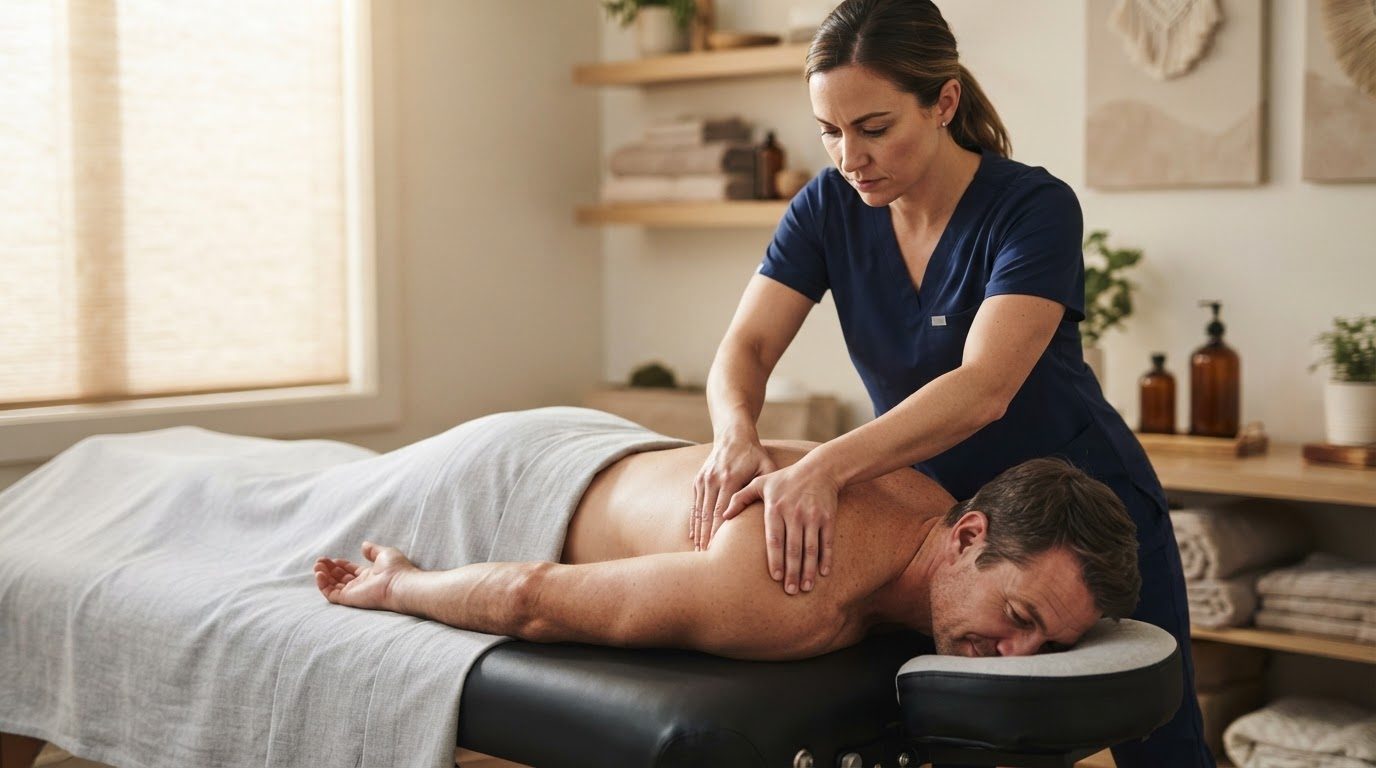
Many people associate massage therapy primarily with relaxation and a temporary escape from daily stress. While these benefits are certainly part of its appeal, the deeper value of therapeutic massage lies in its ability to address persistent physical issues, improve mobility, and support overall physical well-being. It’s a practice rooted in understanding the body’s mechanics and applying targeted techniques to alleviate chronic tension and discomfort.
Understanding the nuances of different massage modalities and their specific applications can help individuals make informed choices about their care. Whether dealing with postural imbalances, recovering from an injury, or seeking proactive measures to maintain an active lifestyle, a tailored approach to massage can be highly effective. For those seeking specialized care in the Lombard, IL area, Massage therapy services often integrate various techniques to address individual needs.
The effectiveness of massage extends beyond immediate relief, aiming to create sustainable changes in muscle function and joint health. This approach differentiates it from a purely recreational massage, focusing instead on therapeutic outcomes. At True Health Chiropractic and Acupuncture, for example, massage is presented as part of a broader strategy to help patients move better and feel normal again, especially when recurring tightness or pain is a concern.
Why Muscle Tension Persists and How Therapeutic Massage Can Help
Persistent muscle tightness, whether in the shoulders, lower back, or other areas, often stems from a combination of factors that go beyond simple overuse. Poor posture, past injuries, daily stress, and stiff joints can all contribute to altered movement patterns. When certain muscles become overactive to compensate for others that are underperforming, knots can form, motion becomes limited, and a cycle of pain can develop. A brief, superficial massage might offer temporary comfort, but it typically doesn’t address the underlying causes of this recurring tension.
Therapeutic massage aims to break this cycle by identifying and working on the specific areas where strain originates. This involves a careful assessment of how the body moves and which muscles require attention. By focusing on these root causes, the goal is to not only alleviate immediate discomfort but also to improve long-term function and prevent the tension from returning. This approach often involves techniques that go deeper than surface-level relaxation.
Diverse Techniques for Targeted Relief
The field of massage therapy encompasses a wide array of techniques, each suited for different conditions and goals. While some focus on broad relaxation, others are highly specialized to address specific musculoskeletal issues. Understanding these different modalities can help in selecting the most appropriate treatment plan.
Deep Tissue Massage
Deep tissue massage targets the deeper layers of muscle and connective tissue. It uses slow, deliberate strokes and sustained pressure to address chronic patterns of tension and muscle knots. This technique is particularly effective for individuals experiencing chronic pain, stiffness, or recovering from injuries where muscle fibers have become adhered or shortened. It can be less rhythmic than other forms of massage, focusing intensely on specific “trouble spots” to release deep-seated tension.
Sports Massage
Developed with athletes in mind, sports massage employs a variety of approaches to support individuals in training, whether before, during, or after sporting events. Its primary goals include promoting flexibility, preventing injuries, and speeding up recovery from muscle strains or other sports-related injuries. Techniques used in sports massage can range from pre-event stimulation to post-event recovery, often incorporating stretching and specific pressure applications.
Myofascial Release
Myofascial release focuses on the fascia, a connective tissue web that encases muscles, bones, organs, and other structures throughout the body. When fascia becomes tight or restricted, it can cause pain and limit movement. During a myofascial release session, a trained therapist applies gentle, sustained pressure to specific areas to release these restrictions, encouraging the fascia to return to a more relaxed state. This technique aims to improve flexibility, reduce pain, and restore proper movement patterns.
Prenatal Massage
Pregnancy brings significant changes to a woman’s body, and prenatal massage is specifically designed to address these unique needs. It can help reduce stress, decrease swelling in the arms and legs, and relieve muscle and joint pain commonly experienced during pregnancy. Therapists use specially designed massage pillows to ensure the comfort and safety of the expectant mother, offering a therapeutic option during a time when many other medical interventions might be limited.
Who Benefits from Specialized Massage Therapy?
Therapeutic massage is not just for those experiencing acute pain; it’s also highly beneficial for individuals seeking to maintain an active lifestyle, prevent injuries, and improve their overall physical resilience. It caters to a broad spectrum of needs, from addressing specific symptoms to supporting general wellness.
- Individuals with Chronic Pain: For those whose shoulders remain tight despite stretching, or whose lower back aches after prolonged sitting, exercise, or even sleep, therapeutic massage can target the underlying causes of this persistent discomfort.
- People with Postural Issues: Misalignment and poor posture can lead to muscle imbalances and pain. Massage can help release tension in overactive muscles and improve awareness of proper body mechanics.
- Athletes and Active Individuals: Whether recovering from a workout, preparing for an event, or seeking to enhance flexibility and prevent future injuries, sports massage and other targeted techniques can support athletic performance and recovery.
- Those Seeking Non-Pharmacological Relief: Many people prefer to avoid reliance on medications for pain management. Therapeutic massage offers a natural and effective alternative for faster recovery and fewer flare-ups.
- Individuals with Specific Conditions: Conditions such as hip stiffness, rotator cuff irritation, and limited mobility can all benefit from customized massage approaches designed to restore function and ease movement.
- Expectant Mothers: Prenatal massage provides a safe and effective way to alleviate common discomforts associated with pregnancy, promoting relaxation and reducing physical strain.
The goal is to help individuals stay active and keep up with their daily demands, whether balancing work, workouts, travel, or family, without having to slow down due to physical limitations.
What to Expect from a Therapeutic Massage Session
A therapeutic massage session typically begins with a conversation between the client and the therapist. This initial discussion is crucial for understanding the client’s specific concerns, daily activities, and desired outcomes. It allows the therapist to gain insight into the nature of the pain or tension, its origins, and how it impacts the client’s life.
Based on this conversation and an assessment of body movement, the therapist will then select the most appropriate techniques. This personalized approach ensures that the session is tailored to the individual’s unique needs and goals. During the session, the therapist often explains what they are working on and why, fostering a deeper understanding of the treatment process. This transparency helps clients grasp how often they might need to return to achieve lasting change and maintain their progress.
The duration of sessions can vary, with many lasting around 60 minutes. For specific injuries or more focused work, adjustments to session length may be recommended. The frequency of visits also depends on the individual’s condition; acute pain or injuries might benefit from weekly sessions initially, while maintenance and prevention often require visits every 2 to 4 weeks.
Distinguishing Therapeutic Massage from Spa Massage
While both therapeutic massage and spa massage involve manual manipulation of soft tissues, their primary objectives and approaches differ significantly. A spa massage typically prioritizes relaxation, stress reduction, and general well-being. It often employs broad, flowing strokes and aims to create a soothing experience.
In contrast, therapeutic massage, especially in a clinical setting, focuses on addressing specific health conditions, improving muscle function, and restoring mobility. The techniques used are often more targeted and may involve deeper pressure or specialized modalities like myofascial release or trigger point therapy. The goal is not just to make the client feel good temporarily, but to treat the root cause of pain, enhance recovery, and support long-term physical health. This distinction is crucial for individuals seeking more than just relaxation, but rather a structured approach to alleviate persistent physical issues.
Frequently Asked Questions About Massage Therapy
What exactly is massage therapy?
Massage therapy involves manipulating the soft tissues of the body—muscles, connective tissue, tendons, ligaments, and skin—using various degrees of pressure and movement. It is used to help manage a health condition or enhance wellness by reducing stress, easing muscle tension, and promoting overall relaxation.
What are the four types of massage therapy?
While there are many styles, some of the most common types include Swedish massage (for relaxation), deep tissue massage (for chronic muscle tension), sports massage (for athletic performance and recovery), and prenatal massage (for pregnancy-related discomfort). Other specialized types include myofascial release, trigger point therapy, and hot stone massage.
How often should I get massage therapy?
The ideal frequency depends on your individual needs and goals. For acute pain or injury recovery, weekly sessions might be recommended initially. For maintenance, stress reduction, or managing chronic conditions, sessions every 2 to 4 weeks are common. Your therapist will provide a personalized recommendation after assessing your condition.
What are the risks of massage therapy?
The risk of harmful effects from massage therapy is generally low. However, rare reports of serious side effects, such as nerve injury, blood clots, or bone fractures, have occurred, often associated with vigorous types of massage (like deep tissue) or in individuals with pre-existing conditions or increased risk of injury (e.g., older people). It’s always advisable to discuss any health conditions with your therapist and doctor before starting massage therapy.